


| SNo. | Scientific Name | Locality | Habitat | Basis of Record | Description | Recorded By | Record Number | Island | Source | Date |
|---|---|---|---|---|---|---|---|---|---|---|
| 1 | Clermontia samuelii subsp. samuelii | Locality redacted. Contact Bishop Museum Botany Department for details | Preserved_Specimen | Forbes, C.N. | 1225 | Maui | BISH | 1919-08-22 | ||
| 2 | Clermontia samuelii subsp. samuelii | Locality redacted. Contact Bishop Museum Botany Department for details | Preserved_Specimen | Forbes, C.N. | 1225 | Maui | BISH | 1919-08-22 | ||
| 3 | Clermontia samuelii subsp. samuelii | Locality redacted. Contact Bishop Museum Botany Department for details | Preserved_Specimen | Forbes, C.N. | 1225 | Maui | BISH | 1919-08-22 | ||
| 4 | Clermontia samuelii subsp. samuelii | Locality redacted. Contact Bishop Museum Botany Department for details | Preserved_Specimen | Welton, P. | 2096 | Maui | BISH | 2000-09-27 | ||
| 5 | Clermontia samuelii subsp. samuelii | Locality redacted. Contact Bishop Museum Botany Department for details | On steep bank with Dicranopteris, Broussaisia, Cheirodendron and Metrosideros. | Preserved_Specimen | Harrison, B. | 214 | Maui | BISH | 1972-07-29 | |
| 6 | Clermontia samuelii subsp. samuelii | Locality redacted. Contact Bishop Museum Botany Department for details | under Metrosideros, Cheirodendron, and Pelea sp. | Preserved_Specimen | Cahill, R. | 520 | Maui | BISH | ||
| 7 | Clermontia samuelii subsp. samuelii | Locality redacted. Contact Bishop Museum Botany Department for details | with Metrosideros & Vaccinium | Preserved_Specimen | Harrison, B. | 428 | Maui | BISH | 1973-08-14 | |
| 8 | Clermontia samuelii subsp. samuelii | Locality redacted. Contact Bishop Museum Botany Department for details | With Dicranopteris, Broussaisia, Cheirodendron and Metrosideros. | Preserved_Specimen | Shrub 2m ht. | Harrison, B. | 113 | Maui | BISH | 1972-07-29 |
| 9 | Clermontia samuelii subsp. samuelii | Locality redacted. Contact Bishop Museum Botany Department for details | Wet ohia forest with other native trees and a treefern and native shrub understory. | Preserved_Specimen | 2m. tall; calyx & corolla same length. | Higashino, P.K. | 9278 | Maui | BISH | 1980-06-28 |
| 10 | Clermontia samuelii subsp. samuelii | Locality redacted. Contact Bishop Museum Botany Department for details | with Vaccinium, Metrosideros, & Carex alligata. | Preserved_Specimen | Harrison, B. | 393 | Maui | BISH | 1973-08-07 | |
| 11 | Clermontia samuelii subsp. samuelii | Locality redacted. Contact Bishop Museum Botany Department for details | Wet 'ohi'a forest with other native trees and a treefern and native shrub understory. Next to wet ground. | Preserved_Specimen | Small flower buds. | Warshauer, F.R. | 2886 | Maui | BISH | 1980-07-26 |
| 12 | Clermontia samuelii subsp. samuelii | Locality redacted. Contact Bishop Museum Botany Department for details | Ferny rain forest | Preserved_Specimen | St.John, H. | 21246 | Maui | BISH | 1945-08-30 | |
| 13 | Clermontia samuelii subsp. samuelii | Locality redacted. Contact Bishop Museum Botany Department for details | with Vaccinium, Metrosideros, & Broussaisia | Preserved_Specimen | Harrison, B. | 287 | Maui | BISH | 1973-06-29 | |
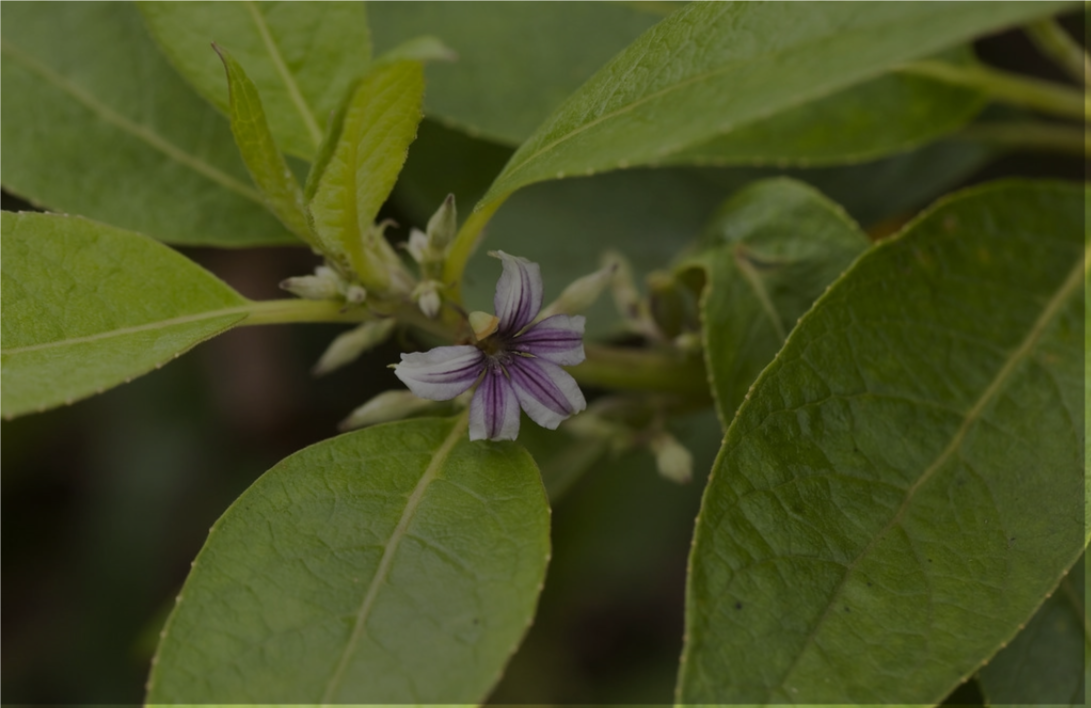
| 14 | Clermontia samuelii subsp. samuelii | Locality redacted. Contact Bishop Museum Botany Department for details | Preserved_Specimen | 2 m tall | Higashino, P.K. | 9278 | Maui | BISH | 1980-06-28 | |
| 15 | Clermontia samuelii subsp. samuelii | Locality redacted. Contact Bishop Museum Botany Department for details | Preserved_Specimen | A much and densely branched shrub, apparently so from the base, amongst dense tangle of shrubbery and branches, leaning on other trees; 2 trees seen (see 1225.M), Lvs. soft pubescent on both faces, very dark green above, dark but slightly paler below; petioles and ends of new branchlets clothed with purplish hairs. Fls. in twos or single; calyx delicate purplish pink, tube green, as long as corolla; corolla delicate whitish purplish pink; staminal column same color as corolla, but stamens dark purple; pistil light green. | Forbes, C.N. | 1215 | Maui | BISH | 1919-08-22 |
Lorem ipsum dolor sit amet, consectetur adipiscing elit, sed do eiusmod tempor incididunt ut labore et dolore magna aliqua. Ut enim ad minim veniam, quis nostrud exercitation ullamco laboris nisi ut aliquip ex ea commodo consequat. Duis aute irure dolor in reprehenderit in voluptate velit esse cillum dolore eu fugiat nulla pariatur. Excepteur sint occaecat cupidatat non proident, sunt in culpa qui officia deserunt mollit anim id est laborum.
Lorem ipsum dolor sit amet, consectetur adipiscing elit, sed do eiusmod tempor incididunt ut labore et dolore magna aliqua. Ut enim ad minim veniam, quis nostrud exercitation ullamco laboris nisi ut aliquip ex ea commodo consequat. Duis aute irure dolor in reprehenderit in voluptate velit esse cillum dolore eu fugiat nulla pariatur. Excepteur sint occaecat cupidatat non proident, sunt in culpa qui officia deserunt mollit anim id est laborum.
Lorem ipsum dolor sit amet, consectetur adipiscing elit, sed do eiusmod tempor incididunt ut labore et dolore magna aliqua. Ut enim ad minim veniam, quis nostrud exercitation ullamco laboris nisi ut aliquip ex ea commodo consequat. Duis aute irure dolor in reprehenderit in voluptate velit esse cillum dolore eu fugiat nulla pariatur. Excepteur sint occaecat cupidatat non proident, sunt in culpa qui officia deserunt mollit anim id est laborum.
Lorem ipsum dolor sit amet, consectetur adipiscing elit, sed do eiusmod tempor incididunt ut labore et dolore magna aliqua. Ut enim ad minim veniam, quis nostrud exercitation ullamco laboris nisi ut aliquip ex ea commodo consequat. Duis aute irure dolor in reprehenderit in voluptate velit esse cillum dolore eu fugiat nulla pariatur. Excepteur sint occaecat cupidatat non proident, sunt in culpa qui officia deserunt mollit anim id est laborum.
Lorem ipsum dolor sit amet, consectetur adipiscing elit, sed do eiusmod tempor incididunt ut labore et dolore magna aliqua. Ut enim ad minim veniam, quis nostrud exercitation ullamco laboris nisi ut aliquip ex ea commodo consequat. Duis aute irure dolor in reprehenderit in voluptate velit esse cillum dolore eu fugiat nulla pariatur. Excepteur sint occaecat cupidatat non proident, sunt in culpa qui officia deserunt mollit anim id est laborum.
Lorem ipsum dolor sit amet, consectetur adipiscing elit, sed do eiusmod tempor incididunt ut labore et dolore magna aliqua. Ut enim ad minim veniam, quis nostrud exercitation ullamco laboris nisi ut aliquip ex ea commodo consequat. Duis aute irure dolor in reprehenderit in voluptate velit esse cillum dolore eu fugiat nulla pariatur. Excepteur sint occaecat cupidatat non proident, sunt in culpa qui officia deserunt mollit anim id est laborum.
Thank you for your interest in submitting an image of
Select your image and leave a brief description of your photo below.